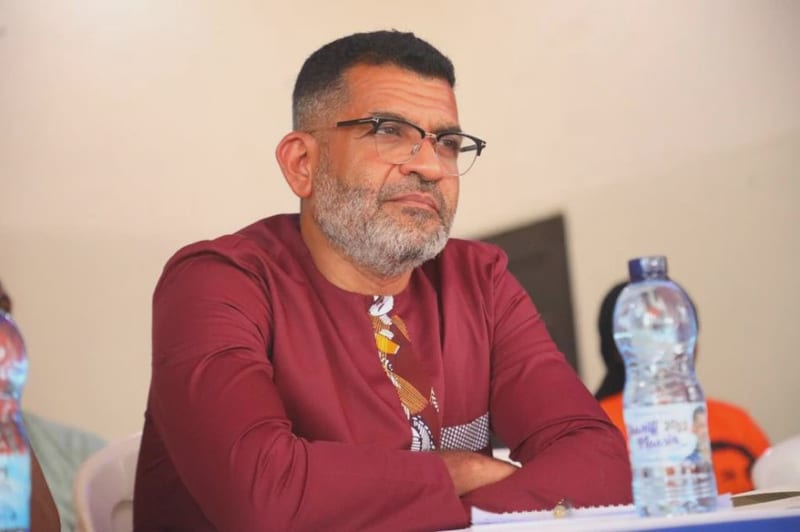
Three youths shot during a political meeting in Mombasa have once again thrust the conduct of politicians’ security details into the national spotlight.
The latest incident involving Mombasa Governor Abdulswamad Nassir’s bodyguards comes barely weeks after a police officer attached to Youth Affairs Principal Secretary Fikirini Jacobs was accused of fatally shooting a young man in Nairobi.
Two incidents involving armed security personnel, two civilian casualties, and one uncomfortable question now demanding answers: Are some political bodyguards still professional officers protecting public officials, or are they becoming heavily armed enforcers operating above the public they are supposed to protect?
Mombasa Shooting Raises Alarm Over Conduct of Politicians’ Armed Security Teams 
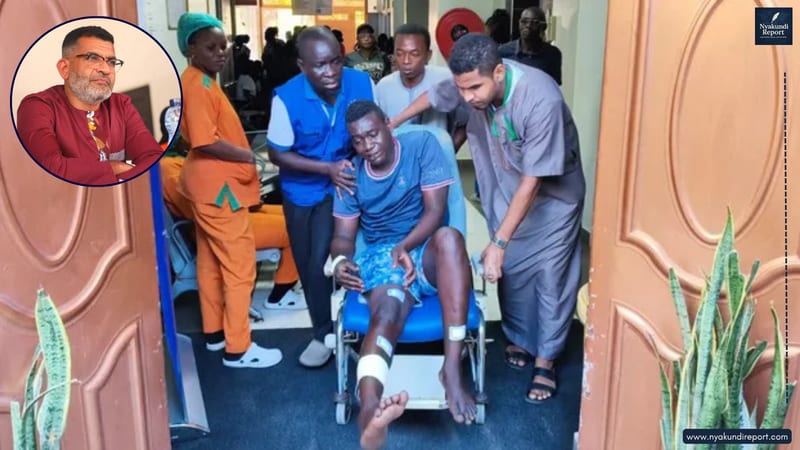
Three people were shot and scores injured during a youth sensitisation meeting addressed by Governor Abdulswamad Nassir at Bomu Stadium in Changamwe on Friday, August 21.
Police said the confrontation began after youths attending the meeting started chanting a “one-term” slogan directed at the governor.
Mombasa County Police Commander Stella Cherono said an unidentified group moved towards the governor as he addressed members of the Stawisha Fund team, triggering a confrontation with his security detail.
Three people were subsequently shot. The injured were initially taken to Mikindani Clinic before being transferred to Coast General Teaching and Referral Hospital.
Witness Said Kimbo gave a more disturbing account of how the shooting unfolded. He said youths attempting to move closer to the governor were pushed back by his bodyguards before one of the guards drew his firearm.
According to Kimbo, he pulled a colleague away as the confrontation escalated, but the officer fired and struck his colleague in the leg.
The witness alleged the bullet could have struck the victim in the chest had he not pulled him down.
Police have promised to identify those responsible. Cherono acknowledged that most of the governor's security personnel are police officers and said they would be traced and subjected to the law.
That statement raises the central issue surrounding the incident.
If the men carrying the guns are professional police officers, what standards govern the moment they decide to pull the trigger?
Political Meetings Are Becoming Flashpoints 
The Mombasa shooting did not happen in isolation. Kenya has recently witnessed increasingly tense political gatherings where heckling, rival slogans, crowd confrontations, and aggressive security responses have become recurring features.
Days earlier, political violence during a Linda Mwananchi rally in Homa Bay left at least four people dead, including a police officer, and dozens injured.
The growing hostility around political mobilization creates an obvious security challenge. But it also places enormous responsibility on armed officers assigned to protect politicians.
Their role should be to prevent violence, secure the principal, and protect lives. The danger emerges when crowd control turns into confrontation and the security detail becomes an active participant in the escalation.
The Fikirini Jacobs Bodyguard Case Offers a Troubling Parallel 
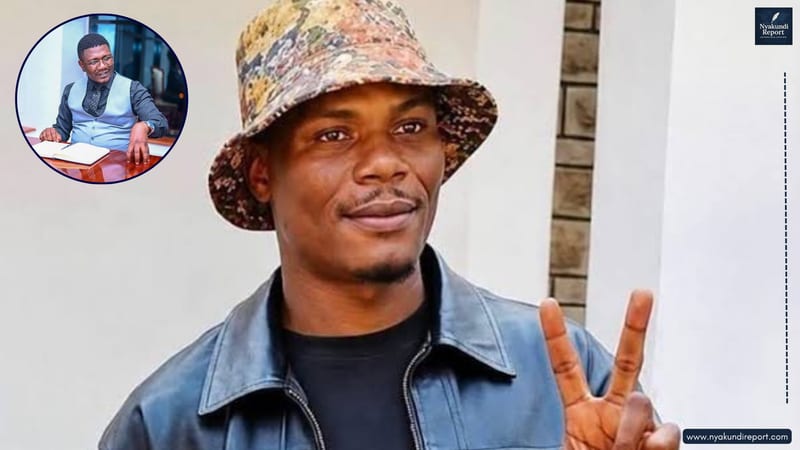
The Mombasa shooting comes against the backdrop of another case that has already raised serious questions about the use of firearms by political security personnel.
On June 30, a young man identified as Cecil Otieno Anyango was fatally shot during an incident involving the security team attached to Youth Affairs, Creative Economy and Sports Principal Secretary Fikirini Jacobs.
The officer accused in that case is PC Rashid Charo.
According to the police account presented in court, Jacobs had attended a function at Social Hall in Kariokor before leaving in an official Land Cruiser accompanied by his security detail.
A group of youths reportedly approached the convoy and demanded handouts. One of them, Anyango, was alleged to have boarded the PS's official vehicle.
The vehicle then sped towards Pangani Police Station as members of the public pursued it on foot and on motorcycles.
The situation escalated after the vehicle was reportedly pelted with stones. Charo allegedly discharged his firearm, fatally wounding Anyango.
The young man was rushed to Park Road Nursing Home, where he was pronounced dead while receiving treatment.
The matter was subsequently taken over by detectives from the Directorate of Criminal Investigations. Charo was arrested and arraigned before the Makadara Law Courts.
Bodyguard Released on KSh20,000 Bond 
On July 8, Charo was released on a personal bond of KSh20,000 after investigators told the court they required additional time to complete their inquiries.
The court directed that the matter be mentioned on August 10 for further directions. His legal team also successfully applied for the return of his personal effects, including his service firearm.
Investigators had earlier sought seven days to complete several critical procedures, including:
- Post-mortem examination
- Ballistic and forensic analysis
- Recording witness statements
- Scene reconstruction
- Examination of recovered exhibits
- Preparation of the investigation file for the Office of the Director of Public Prosecutions
The case therefore remains unresolved, and Charo has not been convicted of any offense. But the incident has already become an important reference point in the wider debate about armed political security details.
Professional Police Officers or Political Enforcers? 
The disturbing question facing authorities is not whether politicians deserve protection. They clearly do.
The question is how that protection is delivered. Police officers assigned to VIP protection are trained professionals. They carry firearms because their duties can involve genuine threats to life.
But that authority comes with an equally serious responsibility.
A firearm should be the final response to an imminent threat to life, not a tool for intimidating crowds, settling confrontations, or creating space around a politician.
When a security officer fires a weapon in a crowd, the consequences can be irreversible.
One bullet can transform a political disagreement into a death investigation.
One moment of poor judgement can destroy a family and expose the state to enormous legal and public accountability.
Who Holds Political Bodyguards Accountable? 
The Mombasa incident now demands more than promises that police will “trace” those involved.
Authorities should establish exactly who fired the shots, under what circumstances, whether the firearms were lawfully deployed, whether officers followed their training, and whether the use of force was proportionate to the threat.
The same scrutiny should apply to every politician's security detail.
There should be no special category of armed personnel who become untouchable simply because they work for governors, Cabinet officials, MPs, or other powerful individuals.
The badge cannot become a shield from accountability. Neither should proximity to political power.