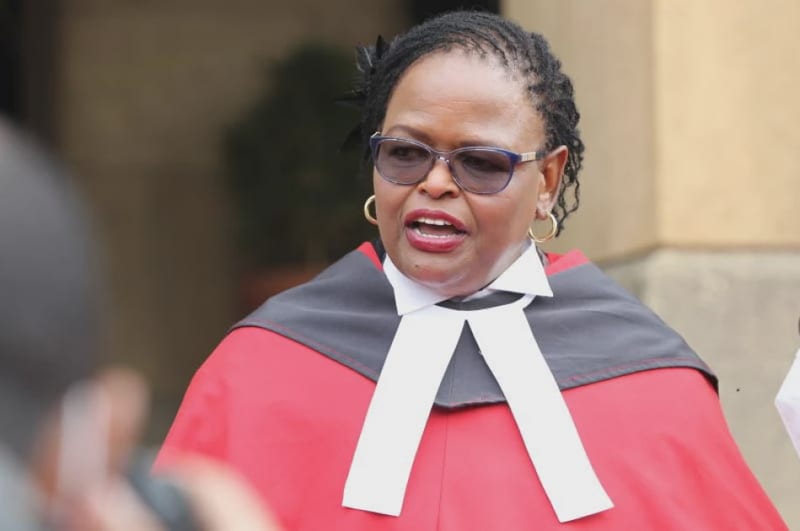
The Law Society of Kenya (LSK) has named Chief Justice Martha Koome and several senior judges among judicial officers whose courts will be affected by a nationwide boycott beginning Wednesday, July 22, escalating pressure on the Judiciary over accountability, case delays and stalled disciplinary proceedings.
The unprecedented action places the country's highest judicial leadership at the centre of a growing confrontation between lawyers and the Judiciary, with the legal body accusing the institution of shielding judges from accountability while ordinary court users continue to suffer delays and administrative inefficiencies.
The boycott comes despite ongoing engagement between the Judiciary and the LSK, raising fresh questions about the state of judicial reforms and public confidence in Kenya's justice system.
LSK Court Boycott Puts Kenya's Highest Judicial Officers on Notice 
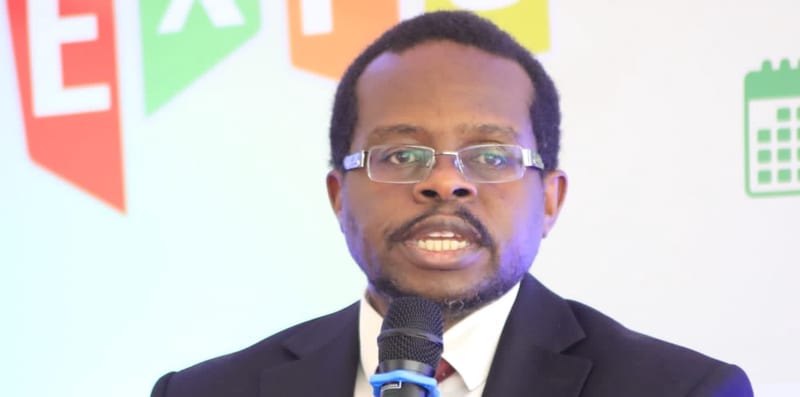
In a statement issued on Monday, July 20, LSK President Charles Kanjama identified several top judges linked to ongoing court cases that have halted disciplinary proceedings before the Judicial Service Commission (JSC) and criminal investigations.
Among those named are Chief Justice Martha Koome, Deputy Chief Justice Philomena Mwilu and Supreme Court judges Isaac Lenaola, Smokin Wanjala, Njoki Ndung'u and Mohammed Ibrahim.
The list also includes Court of Appeal Judge Sankale Ole Kantai, Justice Lucy Waithaka, Justice Stella Atambo, Lady Justice Dora Chepkwony and Justice Josephine Mong'are.
According to the LSK, the protest seeks to push for greater judicial accountability and institutional reforms, arguing that unresolved disciplinary disputes have undermined public confidence in the administration of justice.
The society maintains that meaningful reforms are necessary to restore transparency, strengthen oversight mechanisms, and protect the integrity of Kenya's courts.
Lawyers Cite Delays, Registry Failures and Accountability Concerns 
The boycott follows an earlier directive issued by the LSK requiring advocates nationwide to withdraw from most court proceedings beginning July 22.
Under the planned action, lawyers will refrain from participating in hearings and substantive applications, although court mentions and urgent applications involving interim orders will proceed solely to obtain new hearing dates or extend existing orders where necessary.
The legal body says the action is driven by longstanding frustrations over delayed judgments, prolonged case backlogs and persistent inefficiencies in court registries.
According to Kanjama, advocates have repeatedly raised concerns over delayed delivery of rulings, poor administrative systems and what they describe as ineffective mechanisms for handling complaints against judges and judicial officers.
The standoff also reflects broader concerns about the working environment for advocates and the pace of reforms within the Judiciary despite repeated consultations with judicial leadership.
Judiciary Insists Courts Will Remain Open 
Despite the looming boycott, the Judiciary has maintained that all courts across the country will continue operating normally.
The institution has urged litigants, advocates and members of the public to attend court as scheduled, insisting that justice delivery should not be disrupted.
Judicial officials have also appealed for dialogue, noting that the Judiciary and the Law Society have held at least five consultative meetings over the past two years to address concerns raised by advocates.
Another meeting between the two institutions is reportedly scheduled for July 31, although the latest boycott suggests previous engagements have failed to resolve key disputes.
The confrontation is expected to test relations between Kenya's legal profession and the Judiciary, with the outcome likely to shape future reforms on judicial accountability, case management and public confidence in one of the country's most important constitutional institutions.