
Concerns over aggressive lending practices in Kenya’s microfinance sector continue to surface as borrowers report rapid loan escalation, disputed deductions, and forceful recovery of collateral by credit providers.
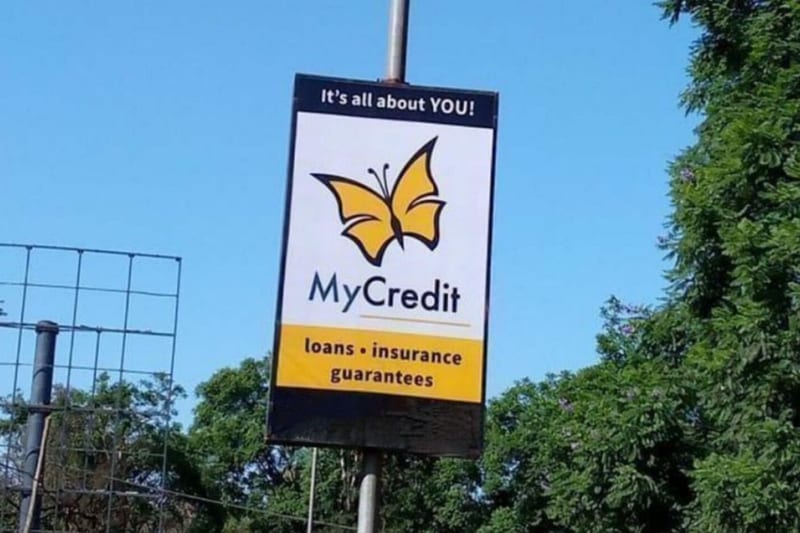
The latest complaint involves MyCredit, a microfinance company, where yet another borrower alleges that a loan taken from the firm quickly ballooned within a few months, despite partial disbursement and substantial repayments already made.
According to the complainant, the loan amount rose sharply within a short repayment period. The borrower further claims that despite making significant repayments, the company proceeded to repossess a vehicle that had been used as collateral, raising renewed questions over the firm’s lending and recovery practices.
“Hello Mr. Nyakundi, I would like to bring to your attention my experience with a microfinance company called MyCredit. I took a loan of KSh 150,000, but only KSh 120,000 was disbursed to me. Within just four months, the outstanding amount had risen to KSh 393,000. Despite paying KSh 200,000, the company forcefully repossessed my vehicle, which I had used as collateral. This has left me wondering how a loan can grow so rapidly, even after making substantial repayments. I believe many Kenyans may be facing similar experiences. Kindly help share this story so that others who have dealt with the same company can come forward and share their experiences. It is important that there is greater public awareness and scrutiny of such lending practices.”
This comes just months after another similar complaint involving MyCredit Limited, where a commercial vehicle owner alleged that his lorry was seized following a loan dispute, later transferred between auctioneers’ yards and eventually sold at a value he claimed was significantly below market valuation after court-ordered conditions and repayment demands he says he could not meet.
In that earlier case, the borrower reported that he had pledged his logbook as collateral, received a reduced disbursement after deductions, and later fell into arrears before the vehicle was repossessed, despite seeking court intervention and attempting to negotiate restructuring terms that he says were not honored in a way that protected his asset or livelihood.