































Kenya has formally reopened negotiations with the International Monetary Fund in a decisive move that underscores the depth of its fiscal strain.
The government is seeking a new multi-year financing arrangement to plug a widening budget deficit while simultaneously pursuing privatization of key state-owned enterprises and refinancing existing debt. The decision follows the collapse of the previous programme in 2025 after multiple performance failures.
As Kenya returns to the IMF for more loans, which form the centre of its fiscal strategy, the country faces renewed scrutiny over debt sustainability, reform credibility, and long-term economic resilience.
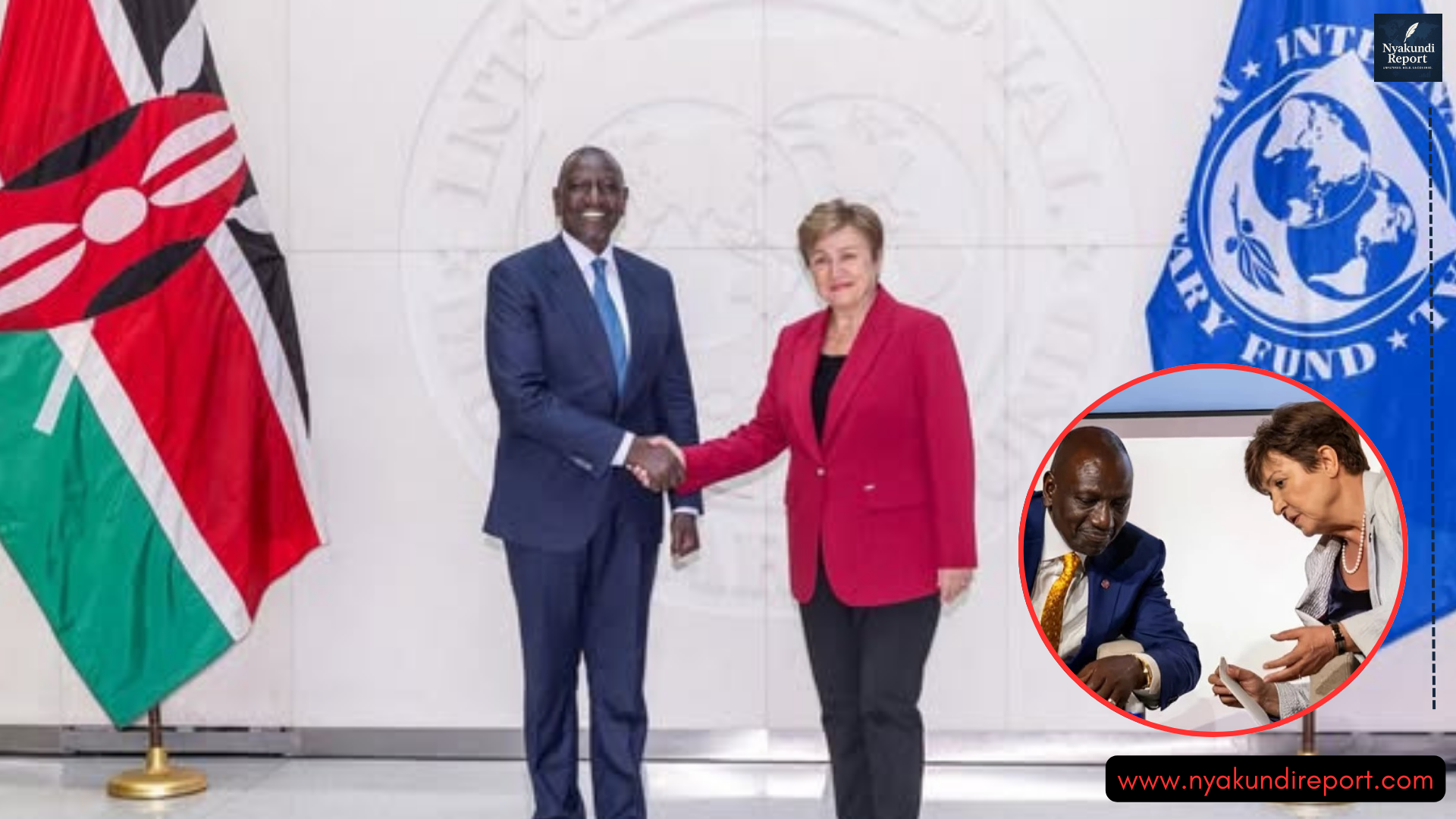
Surging IMF Loans Signal Urgent Fiscal Reset as Treasury Moves to Stabilise Debt and Restore Investor Confidence
The Treasury has confirmed that a delegation from the International Monetary Fund is in Nairobi to negotiate a fresh programme. Officials have made it clear that the discussions will not revive the previous Extended Fund Facility and Extended Credit Facility arrangements but will instead establish a new framework aligned to current macroeconomic realities.
Treasury Principal Secretary Dr Chris Kiptoo disclosed the development while presenting the 2026 Budget Policy Statement before the National Assembly’s Departmental Committee on Finance and National Planning. He stated that Kenya and the IMF mutually agreed to discontinue the earlier programme, including the ninth and final review that had been scheduled before its expiry.
The abandoned four-year facility, valued at Ksh464.47 billion or USD3.6 billion, was expected to run until April 2025. However, Kenya failed to meet 11 of the 16 agreed performance targets, prompting the cancellation of the final review and forfeiting approximately Ksh110 billion in anticipated disbursements. The programme’s termination exposed structural weaknesses in fiscal consolidation, revenue mobilization, and reform execution.
The new arrangement, according to Treasury officials, will run for approximately three years and concentrate on medium-term financing and fiscal stability. While the government projects confidence in the outcome of the negotiations, the renewed engagement inevitably raises concerns about policy continuity and implementation discipline.
Kenya’s IMF loans are therefore returning not as a routine financial instrument but as a response to unresolved fiscal imbalances that persist despite earlier reform commitments.
Why Kenya IMF Loans Have Become Central to Fiscal Strategy
The government confronts substantial budgetary pressure driven by high debt servicing obligations, persistent deficits, and constrained domestic revenue growth. Although officials maintain that Kenya will avoid expensive commercial borrowing, recent actions reflect a continued reliance on international capital markets.
The Treasury recently raised Ksh290 billion through a Eurobond issuance designed to refinance two major Eurobonds maturing in 2028 and 2032. Treasury Cabinet Secretary John Mbadi stated that the transaction forms part of a broader strategy to smooth the country’s repayment profile and mitigate refinancing risk.
This refinancing operation offers short-term breathing room, yet it does not eliminate the underlying structural imbalance between revenue and expenditure. The renewed IMF engagement signals that domestic resources and market borrowing alone are insufficient to stabilize the fiscal framework without external support.
In parallel, the government has accelerated plans to privatize selected state-owned enterprises to generate additional capital for development expenditure and recurrent obligations. This dual strategy of asset sales and multilateral financing illustrates the urgency with which the Treasury is seeking liquidity and fiscal headroom.
Officials emphasize that the economy remains resilient. They estimate that Kenya recorded 5.0 percent growth in 2025 and project expansion of 5.3 percent in 2026, supported by stronger agricultural output, steady performance in the services sector, and sustained diaspora remittances. Foreign exchange reserves have risen to Ksh1.561 trillion, equivalent to 5.2 months of import cover, strengthening external buffers.
The Nairobi Securities Exchange has also recorded its strongest performance since the pre-pandemic period, with the NSE 20 Share Index surging more than 50 percent year-on-year. These indicators present an image of macroeconomic stability.
However, growth metrics and market performance do not automatically resolve fiscal stress. Debt servicing remains a dominant expenditure item, limiting flexibility in public spending and intensifying the need for structured financial support.
Reform Commitments Face Heightened Scrutiny
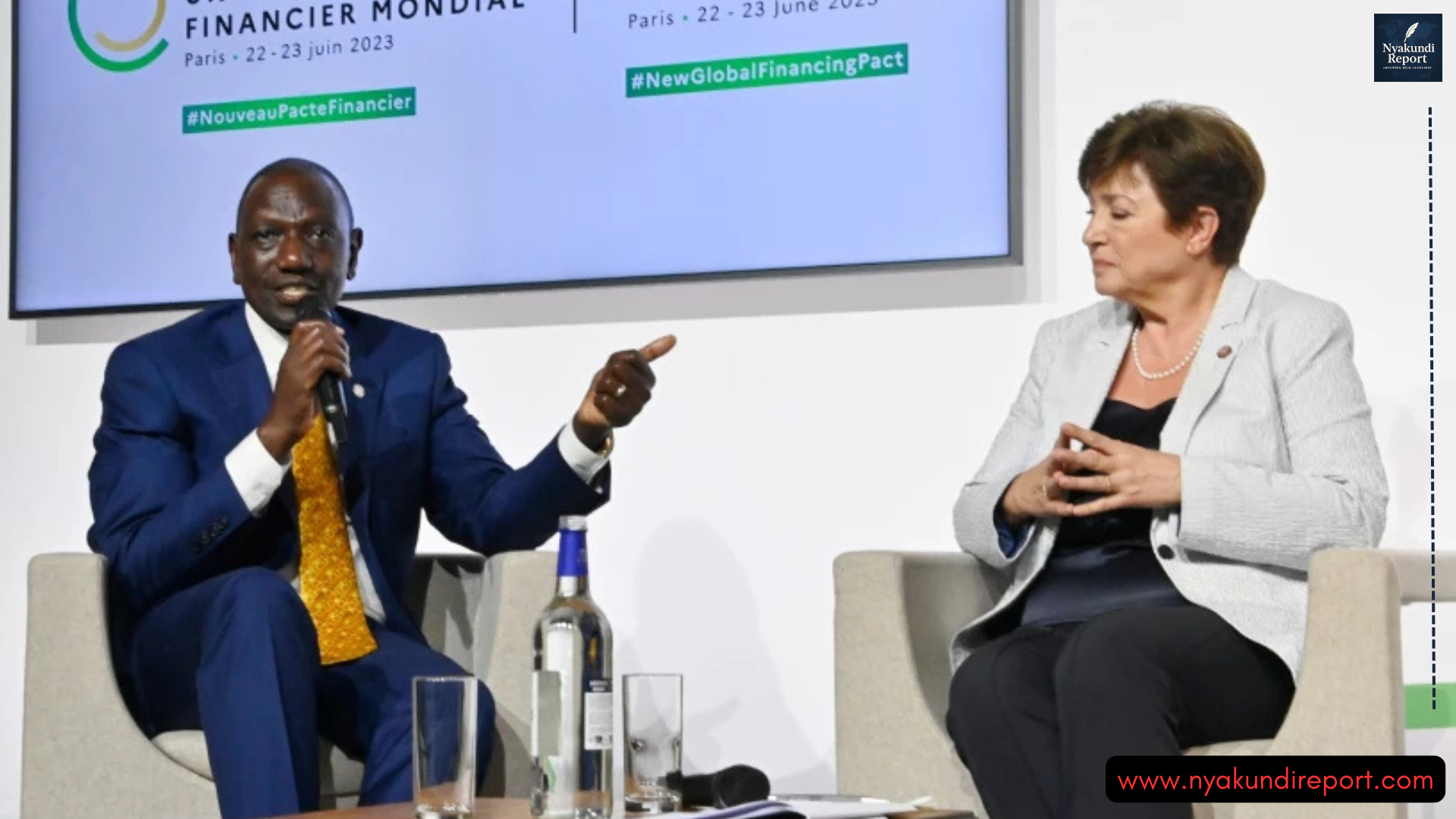
Treasury officials assert that the forthcoming Kenya IMF Loans programme will anchor a comprehensive reform agenda aimed at strengthening public finance management and enhancing fiscal credibility. The government has pledged to intensify domestic revenue mobilization, rationalize expenditure, digitize public finance systems, fully implement e-procurement, transition to accrual accounting, operationalize the Treasury Single Account, and expand public-private partnerships.
These commitments are not novel. Previous IMF-backed frameworks incorporated many of the same reform pillars, yet implementation gaps undermined programme performance. The failure to meet the majority of agreed benchmarks under the prior arrangement now places significant pressure on the government to demonstrate tangible progress rather than reiterate policy intentions.
The renewed negotiations therefore represent more than a financing discussion. They constitute a credibility test for fiscal governance and institutional capacity. Investors, lawmakers, and citizens will closely evaluate whether the government can deliver measurable reform outcomes within agreed timelines.
Supporters of IMF engagement argue that multilateral backing enhances investor confidence, lowers borrowing costs relative to commercial debt, and enforces fiscal discipline through structured oversight. Critics contend that repeated recourse to external financing highlights persistent structural weaknesses and exposes the economy to external conditionalities.


