


















Kenya’s fuel sector is in the spotlight after a widening scandal over controversial imports.
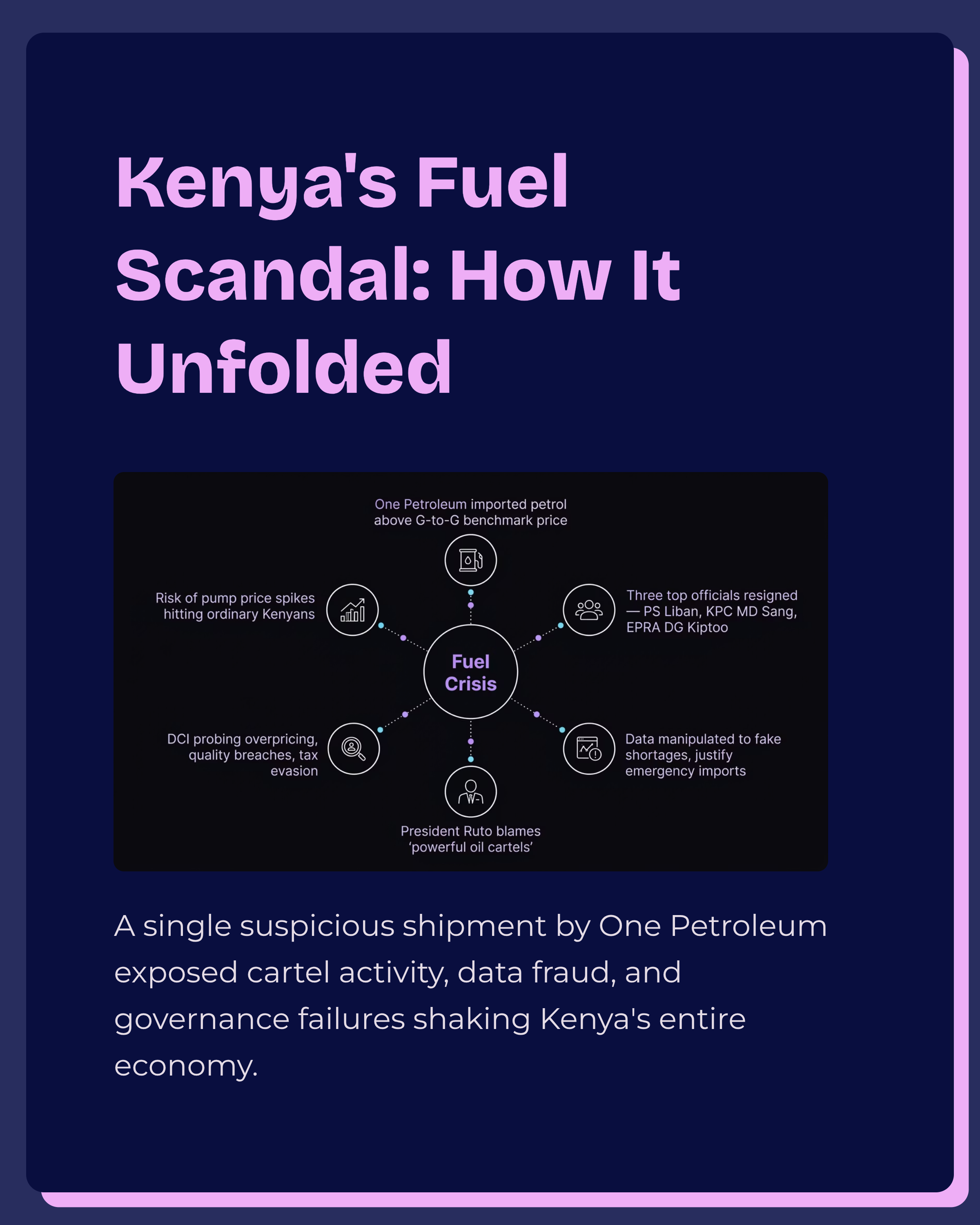
Alleged data manipulation and suspected cartel activity triggered high‑level resignations and investigations.
How the scandal exploded
The latest uproar centers on a shipment of petrol imported outside the main government‑to‑government (G‑to‑G) framework that Kenya has used since March 2023 to source fuel from Saudi Aramco, Adnoc, and Emirates National Oil Company.
It is said that the disputed consignment, brought in by One Petroleum, appears to have been priced well above the G‑to‑G benchmark and may not have fully met quality standards.
Energy CS Opiyo Wandayi ordered the product withdrawn, told oil marketers not to pay any invoices linked to it, and directed that the cargo be removed from the country.
The scandal deepened as authorities blocked a second fuel shipment at Mombasa amid a broader probe into how the import system was being used.
Investigators suspect fuel stock data was manipulated to create an artificial shortage, justifying “emergency” imports at inflated prices.
And potentially allowing certain players to profit from a crisis narrative.
Big names pushed out
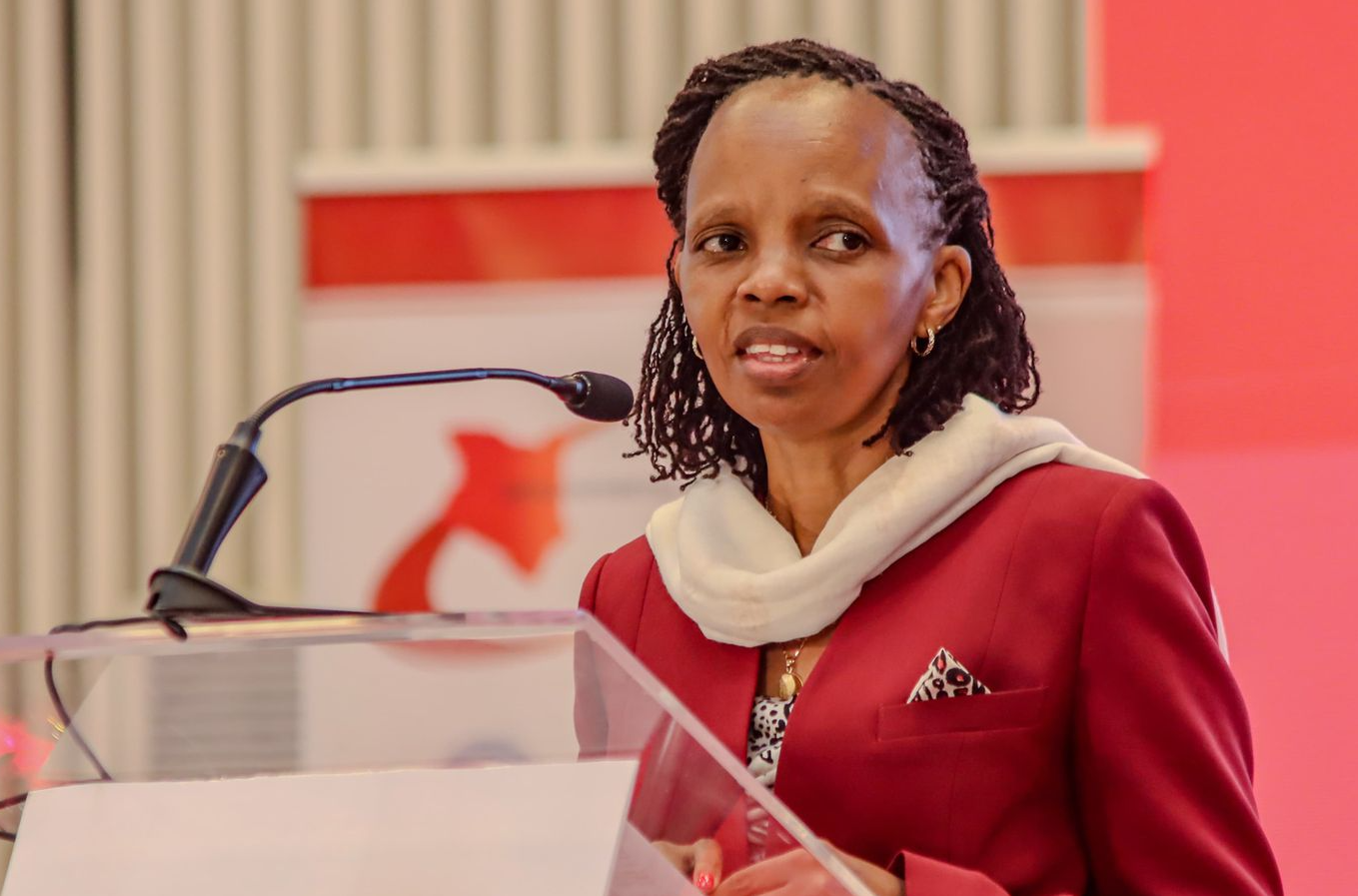
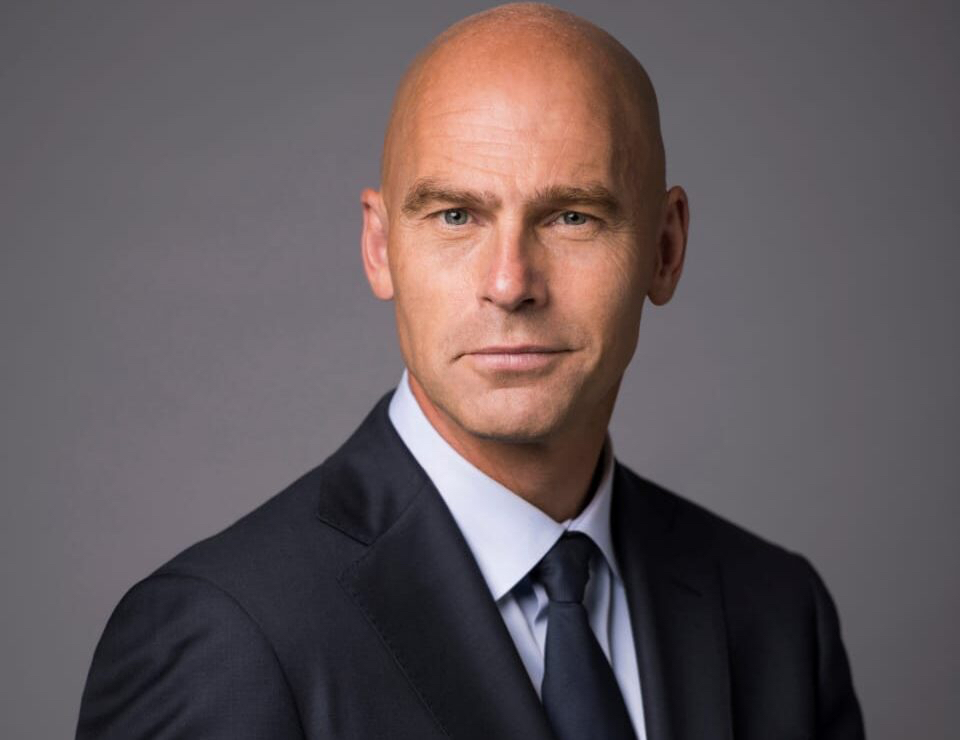
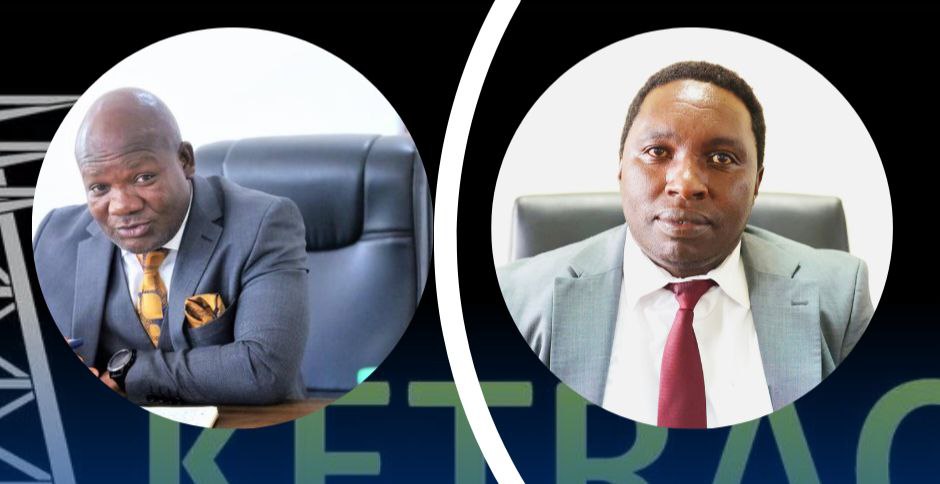
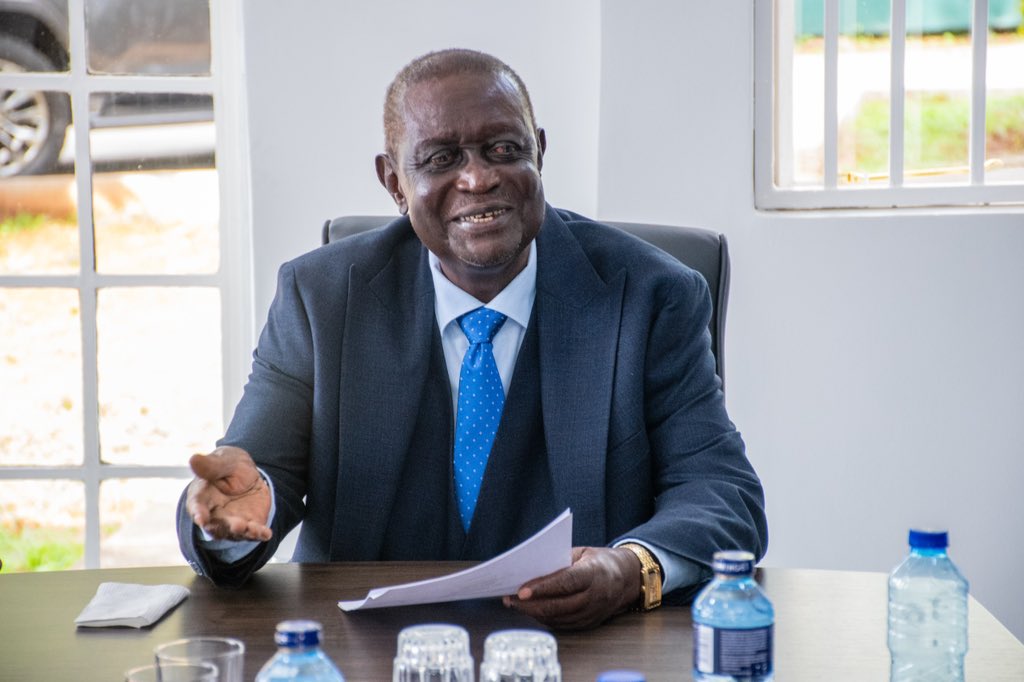
Three top officials in the energy docket resigned days after being questioned by detectives: Petroleum Principal Secretary Mohamed Liban, Kenya Pipeline Company (KPC) MD Joe Sang and Energy and Petroleum Regulatory Authority (EPRA) Director General Daniel Kiptoo.
Their exits followed their arrest over the handling of the questionable shipment aboard MV Paloma and related transactions.
President William Ruto has publicly blamed “powerful oil cartels” for trying to sabotage the G‑to‑G fuel deal and distort the market, vowing a sweeping crackdown.
The Directorate of Criminal Investigations and the tax authority are now probing alleged overpricing, quality breaches, and possible tax evasion linked to companies involved in the import and storage chain.
Deeper problems in the fuel trade
The scandal sits atop longer‑running issues in Kenya’s fuel sector.
Past cases have exposed theft of fuel from the pipeline network, under‑declaration of imports, and tax evasion schemes involving storage terminals and offshore companies.
A recent investigation detailed how a key LPG and fuel player, controlled through offshore structures, has faced repeated questions over alleged undervaluation.
And regulatory capture, even as it maintains a dominant market position.
Energy analysts warn that the combination of opaque deals, weak oversight, and concentrated market power leaves Kenya vulnerable to recurring crises: artificial shortages, price spikes, and scandals that hit motorists and small businesses hardest.
With Mombasa acting as a fuel hub for Uganda, Rwanda, South Sudan, and eastern DRC, any major disruption or trust deficit in Kenya’s system can ripple across the wider region.
Why it matters for ordinary Kenyans
For households, the immediate concern is whether the scandal will lead to pump price spikes or actual shortages.
So far, authorities insist stocks are adequate and that blocking suspect consignments is meant to protect consumers from substandard, overpriced fuel.
But the controversy has raised fears about governance in a sector that feeds directly into transport costs, food prices, and inflation.
The political message from the State House is that this is a “cartel” clean-up.
Whether Kenyans feel the difference will depend on what follows: transparent prosecutions and tighter controls, or another round of drama followed by business as usual.
For now, the fuel scandal has exposed how a handful of shipments, a few opaque contracts, and a small group of officials and companies can shake confidence in an entire economy.
ALSO READ: KUCCPS Opens Portal for 2026 University and College Applications